
Why Do Muscle Knots Get Crunchy?
As a massage therapist, I am often asked, “Why do some knots get crunchy?” It’s a great question, and if you’ve ever experienced this phenomenon, you know exactly what I’m talking about—the not-so-pleasant, almost gravelly feeling under your skin during a massage session.
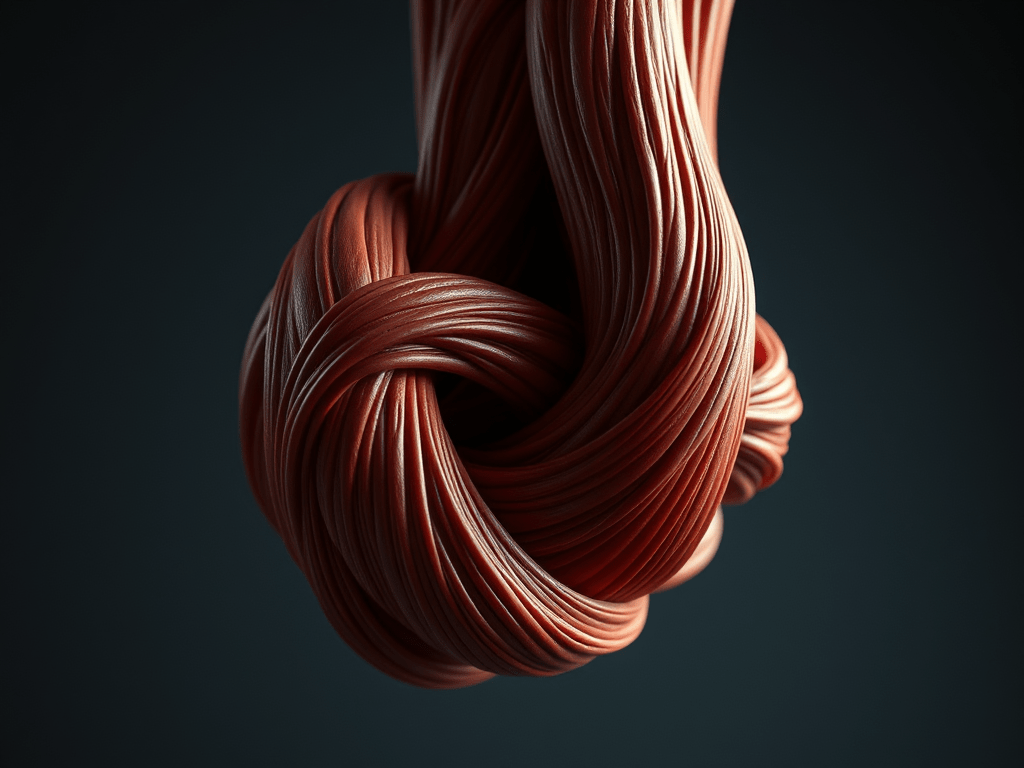
Let’s start by understanding what a muscle knot actually is. These “knots” are known as myofascial trigger points. They’re tight areas of muscle fibers that become contracted and stuck in a constant state of tension. Knots can develop for various reasons—stress, poor posture, dehydration, overuse, or even sitting at your desk for too long. But when people notice a crunchy texture in these knots, it often raises some eyebrows (and sometimes a little discomfort).
The Crunch Factor
So, what makes these knots crunchy? Well, this crunchiness comes from a combination of factors happening under your skin. Think of it like a traffic jam in your muscle fibers—normal muscle fibers slide smoothly across each other like cars cruising down an open highway. When things go wrong, those muscle fibers can become entangled and trapped. Add in a bit of inflammation and fluid build-up, and your once smooth muscle turns into a bumpy ride.
Here are the main culprits behind that crunchy texture:
- Fibrosis: Over time, if a knot isn’t addressed, it can lead to a buildup of fibrous tissue. This is basically the body’s attempt to patch things up but results in a sort of “scar tissue” that gives knots a tougher, more solid feel.
- Adhesions: Muscle fibers can stick to each other due to lack of movement, injury, or overuse. These adhesions are like little Velcro patches binding your muscle fibers together, causing that crackling or crunchiness.
- Calcium Deposits: Some knots may contain tiny deposits of calcium that build up over time. It’s like your muscles have decided to start a rock collection! These deposits can make knots feel gritty or hard, especially in older or chronic knots.
- Dehydration: Water is your muscles’ best friend. Dehydrated muscles tend to tighten up more, leading to increased friction between the fibers. Over time, this lack of fluidity causes a rougher, crunchier sensation as the tissue stiffens.
- Increased Collagen Buildup: When your muscles get inflamed, your body reacts by trying to repair the damage with extra collagen. But too much collagen can turn your muscle from a soft, pliable state into something more rigid—adding to that crunchy feeling.
What Can You Do About Crunchy Knots?
Now that you know what’s going on under the surface, what’s the solution? Well, here’s where I (and other massage therapists) come in. Through techniques like deep tissue massage, myofascial release, and trigger point therapy, we can work to break up those adhesions, improve blood flow, and encourage those muscle fibers to stop hoarding calcium deposits like they’re precious gems.
Hydration is also key. Keep drinking water to help keep those muscles lubricated and pliable. And don’t forget the importance of regular stretching and exercise to keep muscles moving smoothly.
In Summary
So, if you’ve ever felt that crunchy sensation during a massage and wondered, “What’s happening in there?” now you know! It’s a mix of fibrosis, adhesions, and maybe even a bit of dehydration—your muscle’s way of saying, “Help, I need some TLC!”
Just remember, muscle knots may be crunchy, but they’re not invincible. With proper care, regular massages, and a little love, we can help those crunchy knots unwind and get your muscles back to their smooth, happy selves.
After all, your body deserves to feel like a well-oiled machine—not a gravel road!
The Unwinding Spot
Your destination for smooth, knot-free living!
1980 N. Atlantic Ave. Ste. 818 Cocoa Beach Fl. 32931
321-474-8482
theunwindingspot@mail.com www.theunwindingspot.com
Serving Cocoa Beach, Cocoa, Titusville, Merritt Island, Rockledge, Brevard County.
321-474-8482
 The Unwinding Spot